What is a Vsi Crusher and How Does it Work?
A VSI crusher, or Vertical Shaft Impact crusher, plays a critical role in modern aggregate production. This machine is designed to crush rocks and ores into fine aggregates. Its unique structure allows it to impact materials at high speeds, creating a high-quality product. The process it employs is both efficient and effective, which contributes to its rising popularity in the industry.
Understanding how a VSI crusher works is essential for those interested in construction and mining operations. By utilizing centrifugal force, the VSI crusher generates intense impact energy. This energy breaks the material down into smaller, more manageable pieces. Operators must be trained adequately to maximize performance. Experience with different materials is vital for achieving optimal results.
While the VSI crusher is a fantastic tool, it has its limitations. Not every type of rock is suitable for this machinery. Operators need to be aware of these restrictions to avoid inefficiencies and potential damage. Through careful selection and operation, the VSI crusher can deliver exceptional outcomes in aggregate production.
What is a VSI Crusher? An Overview of Its Design and Functionality
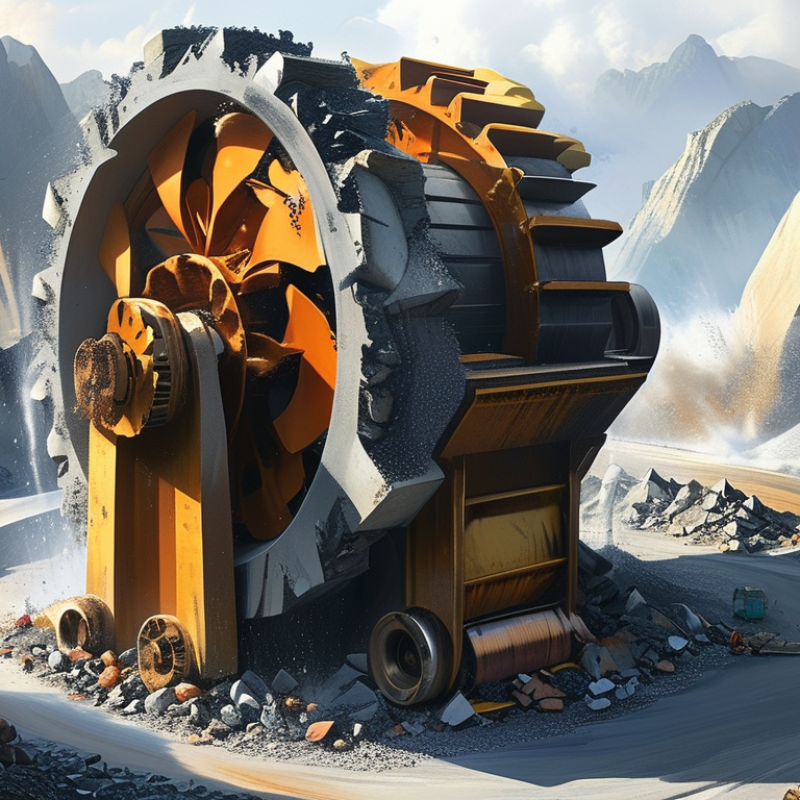
A VSI crusher, or vertical shaft impact crusher, is an essential machine in the aggregate and mining industries. It works by accelerating rocks using a high-speed rotor and then violently impacting them against a hard surface. This unique design allows for the production of finely crushed materials, often with a specific shape and size. According to a report by the Mining and Metallurgy Institute, VSI crushers can reduce energy consumption by up to 30% compared to traditional crushing methods, making them a preferred choice for many operations.
The design of a VSI crusher includes multiple wear-resistant components, which ensures a long service life. The rotor is driven by a motor and can reach speeds up to 100 meters per second. This high velocity allows the crusher to effectively break down the hardest of materials, such as granite or quartz. It is interesting to note that approximately 80% of the manufactured sand worldwide comes from VSI technology, demonstrating its significance in modern construction.
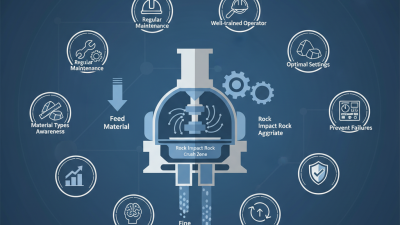
When using a VSI crusher, operators should monitor the feed size and moisture content of materials, as variations can affect efficiency. Regular maintenance is crucial to prevent unexpected breakdowns. Ensuring that the rotor is free from damage can also enhance performance. Utilizing these insights can lead to more efficient crushing operations and higher quality end products.
The Mechanism of a VSI Crusher: How It Achieves High-Quality Aggregates
A VSI (Vertical Shaft Impact) crusher is designed to produce high-quality aggregates. Its unique mechanism plays a crucial role in achieving this. The core of a VSI crusher involves a high-speed rotor that accelerates material, launching it against a crushing chamber lined with impact-resistant surfaces. This impact creates a high shear force, breaking down the material into smaller, more uniform sizes. The ability to manipulate the speed and angle of the rotor allows for versatile material processing, tailoring outputs to specific needs.
In addition, a VSI crusher utilizes advanced technology to enhance its efficiency. The use of cascaded feeding allows for better material transfer, ensuring that the machine operates consistently. This feature reduces wear and tear on components while maximizing production. However, achieving the desired aggregate quality may require adjustments and fine-tuning. Operators must monitor the process continuously, as oversights can lead to inconsistent quality. The demand for precision in the production of aggregates is significant. Thus, understanding the intricacies of a VSI crusher is essential for optimal operation and resource utilization.
What is a Vsi Crusher and How Does it Work? - The Mechanism of a VSI Crusher: How It Achieves High-Quality Aggregates
| Feature |
Description |
| Type of Crusher |
Vertical Shaft Impact Crusher |
| Primary Function |
To produce high-quality aggregates for construction |
| Operating Principle |
Uses high-speed rotors with crushing chambers |
| Material Types Processed |
Granite, basalt, limestone, and other hard materials |
| Advantages |
High efficiency, good cubical shape, and reductions in energy consumption |
| Applications |
Construction, mining, and aggregate production |
| Maintenance Needs |
Regular inspection, lubrication, and parts replacement |
| Typical Output Size |
Sand and aggregates with a size range of 0-5mm |
Comparative Analysis: VSI Crushers vs. Traditional Crushing Methods
VSI crushers are gaining traction in various industries, thanks to their unique mechanisms and efficiency. Unlike traditional crushers that rely on mechanical force, VSI (Vertical Shaft Impactor) crushers use high-speed rotor technology. This process enables a more efficient and consistent reduction of materials. According to industry reports, VSI crushers can improve throughput by as much as 30%. This statistic highlights their efficiency in crushing operations.
When comparing VSI crushers to traditional methods, it's clear that there are advantages and disadvantages. Traditional crushers often generate more dust and require more maintenance. In contrast, VSI units produce less waste and maintain a cleaner operational environment. However, the initial investment for VSI crushers can be higher, which may deter smaller operations. High maintenance costs associated with some traditional methods can also lead to overall inefficiencies over time.
While the benefits of VSI crushers are evident, they do have limitations. Not all materials are suitable for VSI crushing. Some softer materials may not achieve optimal results, which can lead to frustration for operators. Additionally, some users report learning curves when adapting to new technology. Balancing these factors is crucial for businesses considering an upgrade to VSI crushing methods.
Comparison of VSI Crushers and Traditional Crushing Methods
This chart illustrates the efficiency comparison between VSI Crushers and traditional crushing methods including Jaw, Cone, and Impact Crushers. The VSI Crusher shows a higher efficiency percentage, highlighting its advantages in material processing. Traditional methods have comparatively lower efficiency levels.
Key Applications of VSI Crushers in Modern Industries and Their Benefits
VSI (Vertical Shaft Impact) crushers play a vital role in various modern industries. Their unique design allows them to produce high-quality aggregates, making them essential in construction, mining, and recycling sectors. With an estimated market growth rate of 5.3% annually, the demand for VSI crushers is on the rise. This reflects their effectiveness in creating finely crushed materials that meet strict quality standards.
The adaptability of VSI crushers enhances their application range. They can efficiently process different materials, including soft and hard rocks. In the construction industry, for example, they provide superior sand and gravel for concrete mix. Data from industry reports indicate that these crushers offer up to 30% better particle shape than traditional methods. This compliance with industry specifications is crucial for projects requiring durability and strength.
Understanding the nuances of VSI operations can lead to optimization. Regular maintenance is key to performance. Wear parts should be inspected frequently. Using the right feed size improves efficiency. Keeping an eye on operating parameters will ensure better outputs. Awareness of these factors benefits operations significantly.
Maintenance and Performance Optimization for VSI Crushers in Operation
VSI crushers are vital in many industries for producing high-quality aggregates. Regular maintenance is crucial to their performance. Operators should focus on key areas, such as wear parts and lubrication systems.
Replacing worn-out components on time can prevent breakdowns. Each month, inspect internal parts for signs of wear. This proactive approach can extend the crusher's lifespan.
Keeping the machine clean is also essential. Accumulated debris can impact the performance of the VSI. Ensure that the rotor, roof liners, and anvil are free of build-up.
Daily checks can help identify issues early. However, some operators overlook this step until problems arise.
Optimizing performance involves adjusting the feed rate and monitoring the quality of the output. Target feed material size affects crushing efficiency. Operators often realize too late that fine adjustments can lead to significant improvements.
Experimentation is crucial to find the ideal settings. Continuous feedback on performance metrics can drive better outcomes over time.

 Concrete Mixing Plant
 HZS Series Belt Concrete Mixing Plant
 HZS Series Bucket-Lifting Type Container Concrete Mixing Plant
 HZS60 Mobile Concrete Mixing Plant
 HZS Series Bucket-Lifting Type Concrete Mixing Plant
 HZS Series Mobile Concrete Mixing Plant
 HZS Series Top-Mounted Concrete Mixing plant
 HZS Series Semi-Top Mounted Concrete Mixing Plant
 RTPF350DS Crawler Mobile Impact Crushing Plant
 RT116JH Crawler Mobile Jaw Crushing Plant
 RT116JE Crawler Mobile Jaw Crushing Plant
 RT300CE Crawler Mobile Cone Crushing Plant
 RT300CH Crawler Mobile Cone Crushing Plant
 RT5015H Mobile Scalping Screen
 RT315VSIE Crawler Mobile Sand Maker
 RT3YK6020 Crawler Mobile Screening Plant
 RT3YK6020M Modular Screening Plant
 RTF260M Modular Counterattack Crushing and Screening Integrated Machine
 RTF350M Modular Impact Crushing Plant
 RTF450M Modular Impact Crushing Plant
 WDB Series Foundation-Free Stability Soil Mixing Plant
 LCB Series Emulsified Asphalt Cold Regeneration Secondary Mixing Plant
 LB Series Asphalt Mixing Plant
 LBR Series Integrated Asphalt Mixing Plant
 LBRN Series Counterflow Integral Asphalt Mixing Plant
 RZS Series Asphalt Mixing Plant
 RTZS120 Series RAP Crushing & Screening Plant
 Construction Waste Resourceful Treatment Line